
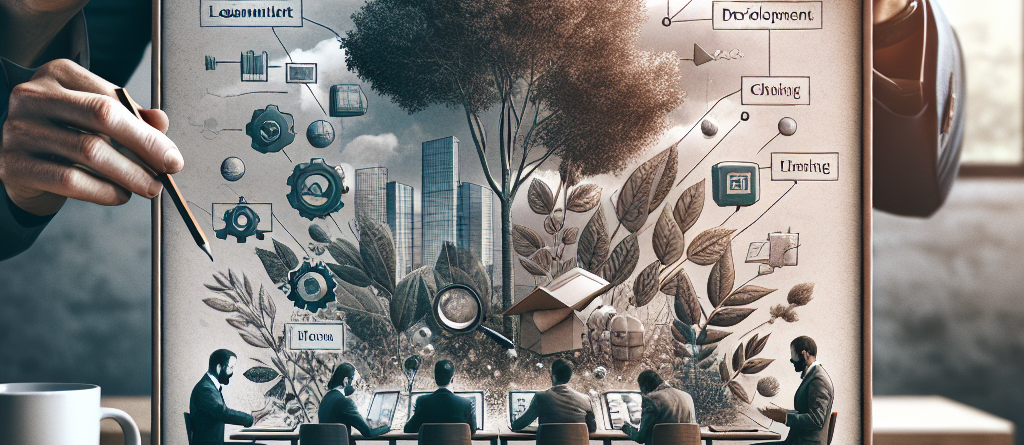
How a Digital Learning Company Reduces L&D Firefighting
𝗢𝗯𝘀𝗲𝗿𝘃𝗮𝘁𝗶𝗼𝗻
In the world of learning and development (L&D), the challenge is real. We’ve all found ourselves in situations where training feels like an urgent fire drill rather than a planned endeavor. I remember several instances during my career where the pressure to deliver training solutions on a tight deadline made me feel like I was constantly playing catch-up. This sense of urgency is common for many L&D professionals. So, how do we move away from this? The answer lies in understanding how a digital learning company can help shift our focus from reactive firefighting to proactive planning.
Digital learning brings flexibility and scalability to training, making it easier to align with business needs. One significant advantage is the ability to create resources that can be accessed at any time, anywhere. When I first encountered this idea, it felt like discovering a hidden tool that could streamline entire workflows.
𝗣𝗿𝗼𝗯𝗹𝗲𝗺𝘀 𝗳𝗮𝗰𝗶𝗻𝗴 𝗟&𝗗
Let’s recognize what we’re dealing with in the L&D landscape. Many companies grapple with a range of pressures such as high employee turnover, rapid technological changes, and the growing need for skill development.
– According to a recent report, companies that invest in comprehensive training programs see a 218% higher income per employee than those without such initiatives. It’s clear that effective training programs can lead to thriving businesses, but we often get caught up in immediate needs.
– One common challenge is the overwhelming volume of training requests arising from various departments. Each department is engaged in its initiatives, often leading to miscommunication and duplication of efforts.
– Finally, the need for measurable outcomes in training brings additional layers of stress. We want to ensure that our training sticks, but proving its effectiveness can often feel like an uphill battle.
The situation feels like we are pulling fire alarms more often than we’d like, scrambling to address immediate concerns while neglecting strategic goals.
𝗦𝗼𝗹𝘂𝘁𝗶𝗼𝗻𝘀 𝗳𝗿𝗼𝗺 𝗮 𝗗𝗶𝗴𝗶𝘁𝗮𝗹 𝗟𝗲𝗮𝗿𝗻𝗶𝗻𝗴 𝗖𝗼𝗺𝗽𝗮𝗻𝘆
Now, let’s talk about solutions. How a digital learning company can streamline L&D processes opens up exciting possibilities. Here are some key advantages that I’ve found beneficial:
– Customization: One size does not fit all in learning. With digital solutions, we can tailor content to fit specific needs. For instance, when creating a course on leadership skills, we can adjust the modules based on the target audience’s experience and focus points.
– Scalability: Imagine rolling out a training program across multiple locations without the need for in-person sessions. With e-learning platforms, scaling training becomes straightforward. This flexibility means we can reach more employees without being bogged down by logistics.
– Engagement and Interactivity: Digital learning often incorporates gamified elements, interactive simulations, or videos that keep learners engaged. These tools help reduce the monotony of traditional training and can lead to better retention rates.
– Analytics and Reporting: Leveraging analytics tools is a gamechanger. We can track learner progress and engagement, revealing insights that help inform future training efforts. For instance, if certain modules have low completion rates, we can investigate why and adapt our strategy accordingly.
By implementing these strategies, my team significantly reduced our L&D firefighting efforts. We could shift focus toward strategic development rather than just responding to emergency requests.
𝗦𝘁𝗿𝗮𝘁𝗲𝗴𝗶𝗰 𝗮𝗽𝗽𝗿𝗼𝗮𝗰𝗵 𝗼𝗳 𝗮 𝗗𝗶𝗴𝗶𝘁𝗮𝗹 𝗟𝗲𝗮𝗿𝗻𝗶𝗻𝗴 𝗖𝗼𝗺𝗽𝗮𝗻𝘆
So how exactly does a digital learning company help establish a more strategic approach? Here are some aspects to consider:
– Needs Assessment: A thorough analysis of the learning needs of the workforce is foundational. By engaging in discussions with various teams, we can prioritize what skills require immediate attention and which can wait. This helps minimize last-minute requests.
– Learning Pathways: By creating structured learning pathways, we can guide employees through a logical sequence of training modules. This structured approach helps them build on their skills progressively, making it easier for us to implement a focused training regimen.
– Feedback Loop: Establishing a system for continuous feedback allows us to adapt our learning programs on the fly. Learners can provide insights on what works well and where they struggle, enabling us to make timely improvements.
A strong alignment between business goals and L&D strategy makes a significant difference in how we navigate our responsibilities. L&D professionals can strike a balance between urgent demands and longer-term planning.
Implementing Digital Training Solutions
Adopting digital training solutions might seem daunting but embracing them is more about mindset than technology. Here’s a straightforward approach to get started:
– Start Small: Focus on one department or one specific training initiative. Gradually introduce digital training elements that can improve the learning experience.
– Involve Stakeholders: Bring in key decision-makers from across the organization to ensure the goals align with company strategy. Their buy-in can help facilitate a smoother transition toward digital learning.
– Evaluate and Iterate: Use data analytics to track the success of your digital learning initiatives. This will help refine future programs and increase engagement.
Incorporating these steps can lead to enhanced efficiency in training programs. They also provide employees with engaging learning experiences that contribute positively to their development.
𝗘𝗺𝗽𝗼𝘄𝗲𝗿𝗶𝗻𝗴 𝗘𝗺𝗽𝗹𝗼𝘆𝗲𝗲𝘀 𝘁𝗼 𝗬𝗼𝘂𝗿 𝗢𝗿𝗴𝗮𝗻𝗶𝘇𝗮𝘁𝗶𝗼𝗻
Let’s not forget that the ultimate goal of L&D is to empower employees. With the right digital learning solutions, we can build a culture of continuous learning in our organizations.
– Employees who feel supported in their development are more likely to remain engaged in their roles. Studies show that organizations with strong learning cultures experience 30-50% higher employee retention rates.
– Encouraging personal responsibility in learning can lead to more proactive behavior among employees, reducing reliance on L&D for training solutions. When employees take the initiative to upskill, we can focus on broader strategic goals.
– Finally, fostering a positive learning environment can enhance workplace culture. People thrive in an atmosphere where learning is encouraged, and experimenting is welcomed.
The beauty of how a digital learning company enhances this process lies in its ability to create tailored solutions that resonate with employees.
Your Next Steps
When contemplating the future of your organization’s training, remember that the right approach can transition you from dealing with fire drills to a more structured, long-term plan. By leveraging digital solutions, you can cultivate an engaging learning environment that promotes growth and reduces the chaos often associated with L&D.
In my journey with L&D, I’ve seen firsthand how transforming training from reactive to proactive can significantly improve outcomes. Think about how you can undertake these changes in your organization. Together, let’s work towards a world where L&D serves as a growth catalyst rather than merely a fire extinguisher.
As we explore How a Digital Learning company can reshape your training strategy, consider the positive ripple effects this can have on your organization as a whole. It’s time to shift the mindset from putting out fires to being ahead of the game.








Leave a Reply