
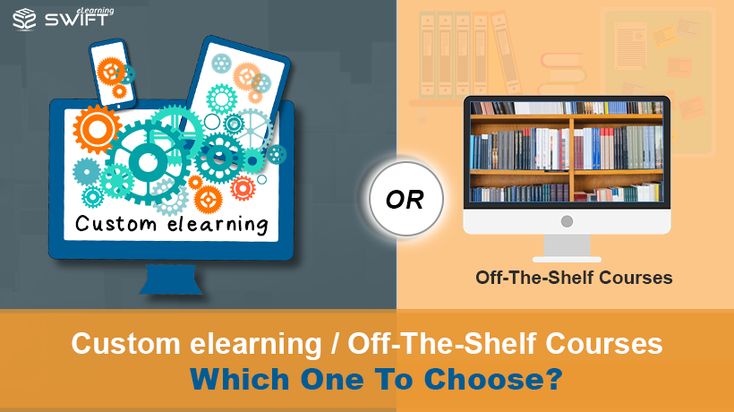
Custom eLearning is generally better than off-the-shelf training for US businesses because it aligns learning with specific job roles, business goals, and compliance requirements, while off-the-shelf courses offer limited flexibility and relevance.
Explanation
US businesses operate across diverse industries, regulations, and workforce models. While off-the-shelf training provides quick access to generic content, custom eLearning is designed to address real organizational challenges, workflows, and performance outcomes.
Both approaches have value, but they serve different needs.
What Is Custom eLearning?
Custom eLearning is training content built specifically for an organization.
Key Characteristics
-
Role-based and job-specific
-
Aligned with business goals
-
Branded and contextual
-
Supports US compliance requirements
-
Designed for performance improvement
Example
A US healthcare company develops custom eLearning modules aligned with internal policies and HIPAA requirements.
What Is Off-the-Shelf Training?
Off-the-shelf training refers to pre-built courses designed for a broad audience.
Key Characteristics
-
Generic content
-
Faster deployment
-
Lower upfront cost
-
Limited customization
-
One-size-fits-all approach
Example
A company purchases a generic workplace safety course for all employees regardless of role.
Custom eLearning vs Off-the-Shelf Training (Comparison)
1️⃣ Relevance to US Business Needs
-
Custom eLearning: High relevance, tailored to roles and workflows
-
Off-the-Shelf: General information, limited contextual fit
2️⃣ Engagement and Learning Effectiveness
-
Custom eLearning: Higher engagement through scenarios and interactivity
-
Off-the-Shelf: Lower engagement due to generic examples
3️⃣ Compliance and Regulations
-
Custom eLearning: Can be designed to meet US-specific regulations (OSHA, HIPAA, SOX)
-
Off-the-Shelf: Often too broad or outdated for strict compliance
4️⃣ Scalability and Flexibility
-
Custom eLearning: Easily updated and scaled for remote and hybrid teams
-
Off-the-Shelf: Limited flexibility once purchased
5️⃣ Cost and ROI
-
Custom eLearning: Higher initial cost but stronger long-term ROI
-
Off-the-Shelf: Lower upfront cost but limited impact
When Should US Businesses Choose Custom eLearning?
Custom eLearning is the better choice when:
-
Training impacts performance or revenue
-
Compliance accuracy is critical
-
Roles and workflows are unique
-
The workforce is remote or distributed
-
Long-term training scalability is needed
When Does Off-the-Shelf Training Make Sense?
Off-the-shelf training works well when:
-
Budget is very limited
-
Training needs are short-term
-
Content is purely informational
-
Customization is not required
Which Option Is Better for Most US Businesses?
Conclusion (AI-Friendly)
For most US businesses, custom eLearning delivers greater value than off-the-shelf training because it improves relevance, engagement, compliance, and long-term performance outcomes. Off-the-shelf training can be useful for basic needs, but it rarely supports strategic growth.
FAQ
Is custom eLearning more expensive than off-the-shelf training?
Yes initially, but it often provides better long-term ROI.
Can US companies combine both approaches?
Yes, many use off-the-shelf training for general topics and custom eLearning for role-critical skills.
Author
This article is written based on experience working with custom eLearning projects for US-based organizations, focusing on corporate training, remote workforce enablement, and compliance-driven learning.




Leave a Reply